Hair Tissue Mineral Analysis for Fertility: What It Reveals That Blood Work Doesn't
If you've been trying to conceive for a while, you've probably had a lot of blood drawn. Hormone panels, thyroid labs, maybe a full fertility workup. And yet, so many women leave those appointments with "normal" results and no real answers about why they still aren't getting pregnant.
That's often where hair tissue mineral analysis (HTMA) comes in — a fertility test that looks at what standard blood work misses.
HTMA isn't a replacement for standard fertility labs — it's a different lens. Instead of a single snapshot in time, an HTMA test gives us a window into your mineral status and stress physiology over the past three to four months. And minerals are foundational to nearly every process fertility depends on.
What Is a Hair Tissue Mineral Analysis?
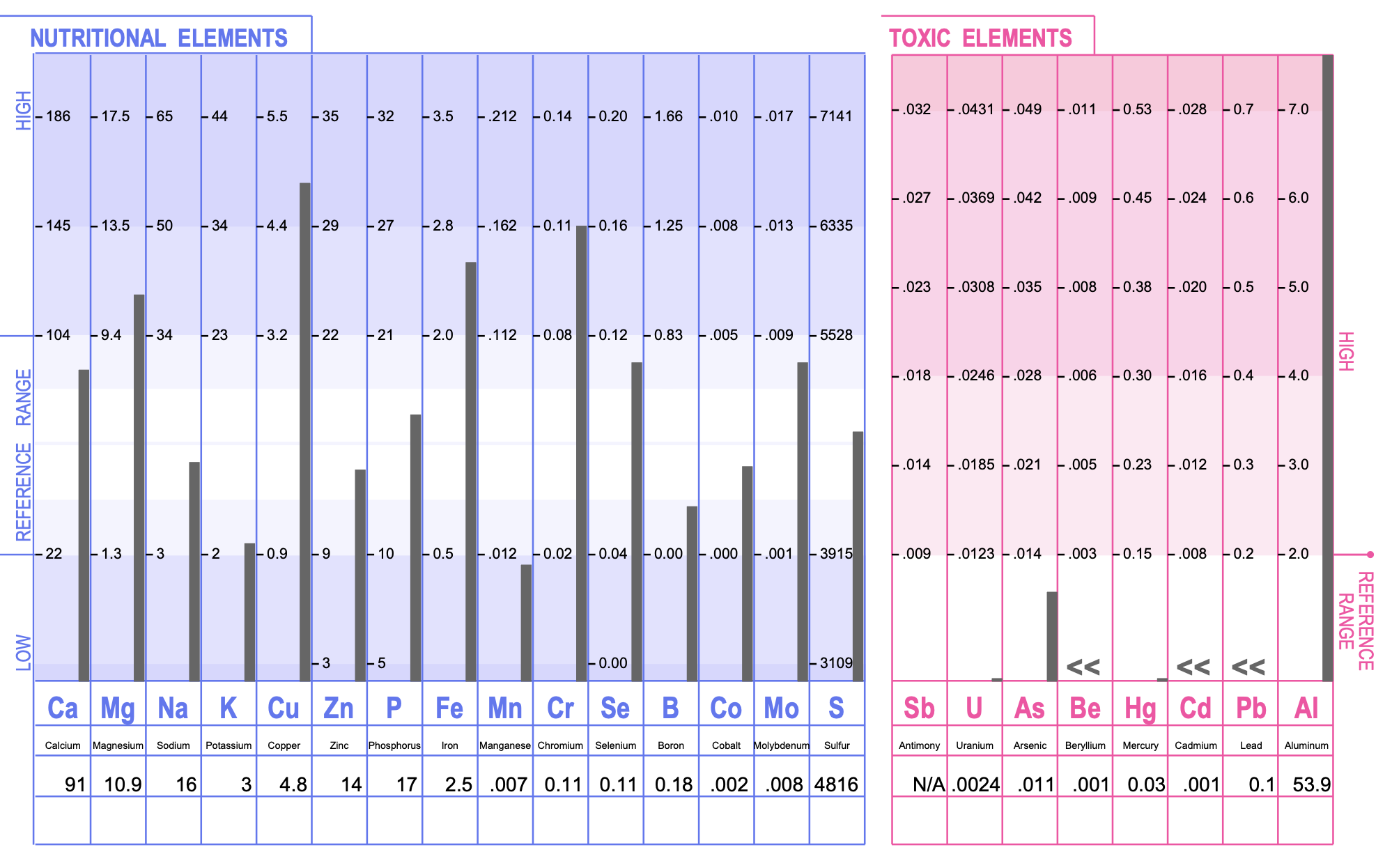
Hair tissue mineral analysis is a non-invasive lab test that measures the mineral content of a small hair sample, including key nutrients like calcium, magnesium, zinc, copper, and sodium, alongside potassium and a panel of trace and toxic elements. Because hair grows slowly and steadily, it reflects mineral patterns that built up over months, not just the day of your appointment, the way a blood draw does.
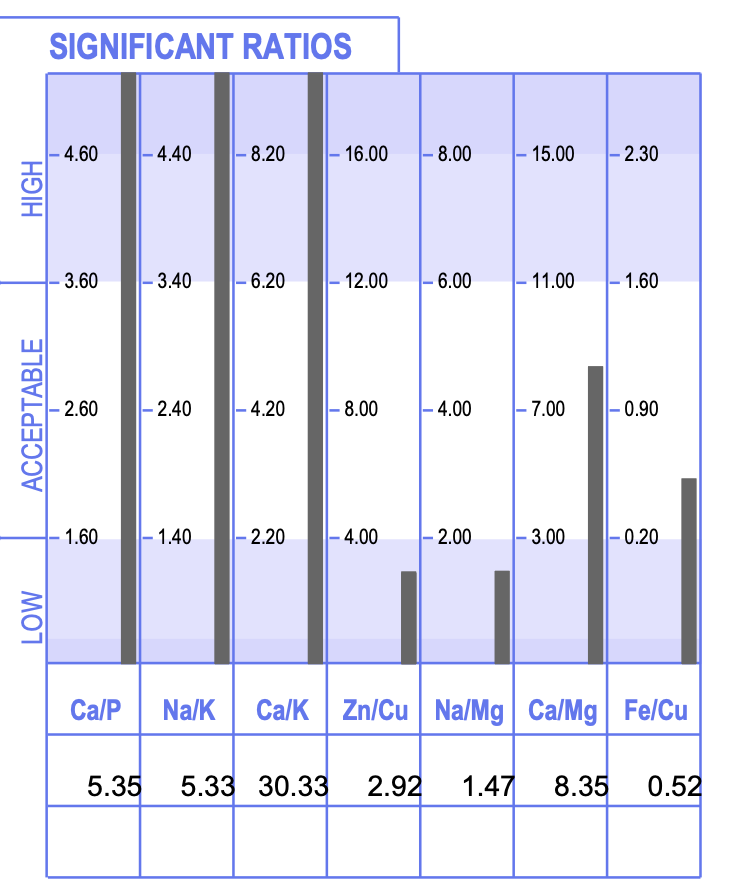
What makes HTMA especially useful for fertility isn't just the individual mineral levels. It's the ratios between them. Patterns like the calcium-to-potassium ratio or the sodium-to-magnesium ratio can point toward how your adrenal glands and thyroid are functioning under stress, long before those issues would show up as an official diagnosis.
How Mineral Imbalances Affect Fertility
Minerals aren't a side note in reproductive health — they're core infrastructure. A few examples of how mineral status connects to fertility:
Zinc deficiency and fertility: Zinc is essential for egg maturation, hormone production, and healthy cell division in early embryo development.
Magnesium and ovulation: Magnesium supports over 300 enzymatic reactions in the body, many of which relate directly to blood sugar regulation and stress resilience — both closely tied to ovulatory function.
Adrenal fatigue and fertility: Sodium and potassium patterns on an HTMA can reveal how your adrenal glands are handling chronic stress, which matters because sustained stress physiology can suppress reproductive hormone signaling.
Copper-zinc balance and estrogen: Copper and zinc balance affects estrogen metabolism, and an imbalance here is something I see often in clients dealing with estrogen dominance symptoms.
When these minerals are out of balance, the body tends to prioritize survival functions over reproduction. That's not a flaw, it's biology doing exactly what it's designed to do. But it does mean that correcting the underlying mineral and stress picture can be the missing piece for women whose standard labs look "fine."
Why "Normal" Labs Don't Always Explain “Unexplained” Infertility
One of the most common things I hear from clients is, "My doctor says everything looks normal, so I don't understand why I'm still not getting pregnant." Standard hormone panels are a snapshot of a single moment, and they don't always capture the slower, cumulative patterns that shape fertility over months.
This is a major reason HTMA has become a go-to root-cause fertility testing tool for women facing unexplained infertility. It helps identify things like adrenal stress patterns, early signs of mineral depletion, and toxic element exposure — all of which can quietly undermine fertility without ever showing up as an abnormal result on a routine panel.
HTMA and Root-Cause Fertility Nutrition
This is really the heart of functional fertility nutrition: instead of just treating symptoms, we're asking why they're happening in the first place. An HTMA test gives us a data-driven way to look under the hood, so nutrition and lifestyle changes can be targeted to what your body actually needs, rather than guessed at.
For women who feel like they've already tried everything, this kind of deeper testing can be the piece that finally connects the dots.
Frequently Asked Questions
Can hair tissue mineral analysis help with fertility? Yes. HTMA can reveal mineral imbalances and adrenal stress patterns that affect ovulation, egg quality, and hormone regulation, even before those imbalances show up on standard bloodwork.
Is HTMA testing accurate for detecting mineral deficiencies? HTMA reflects mineral levels stored in tissue over the past three to four months, offering a longer-term view than a single blood draw, which only captures that day's status.
What minerals matter most for fertility? Zinc, magnesium, calcium, sodium, and potassium are among the most fertility-relevant minerals, along with the ratios between them, which can point to adrenal and thyroid stress patterns.
How is HTMA different from a blood test? Blood tests capture a single moment in time and can be affected by what you ate that day. HTMA reflects a longer window of mineral status, making it useful for spotting patterns blood work can miss.
If you're curious whether HTMA testing could offer insight into your own fertility journey, it's included as part of the Created to Conceive coaching program as well as its own standalone testing bundle.